Meme Embroidery Design
As an embroidery designer with years of experience in craft fairs and handmade markets, I’ve learned that the right design can make or break a product. When I first saw the Meme embroidery design, I knew it had potential—but I needed to test it across various products to see how it would perform in real-world settings.
First Impressions: Whimsical and Versatile
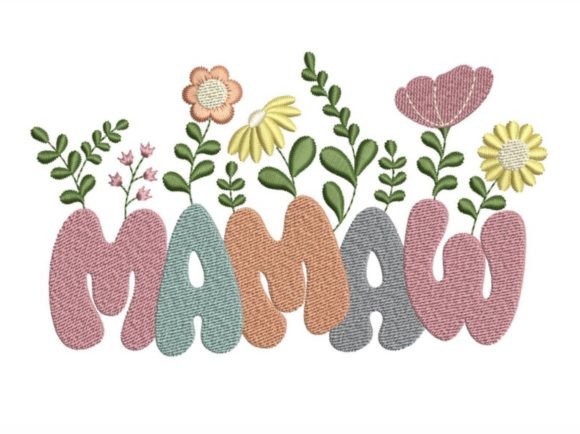
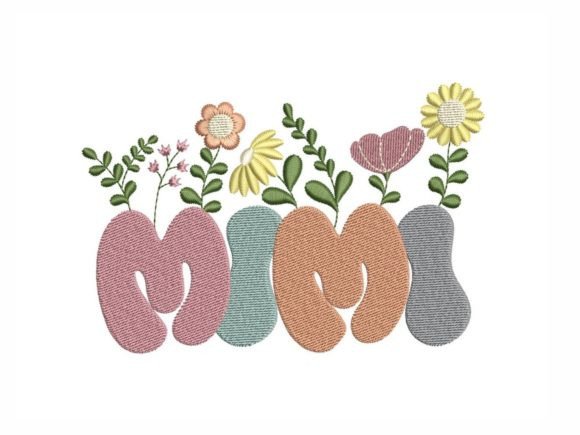
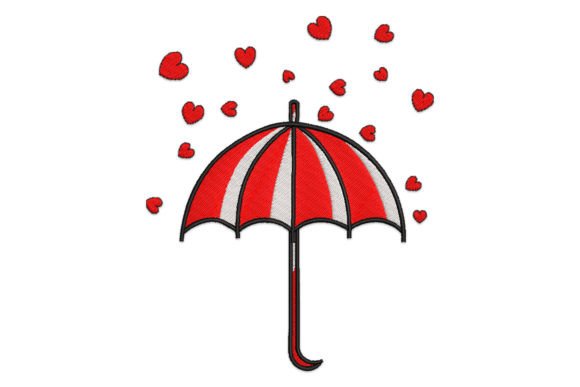
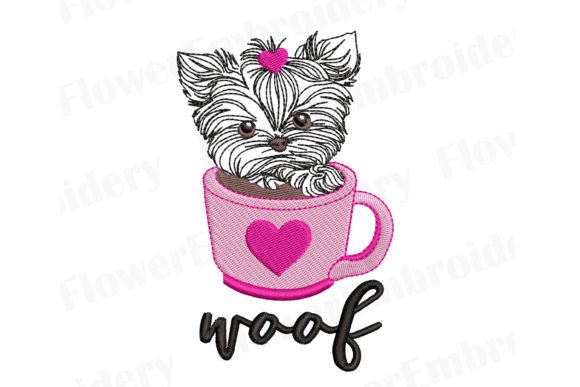
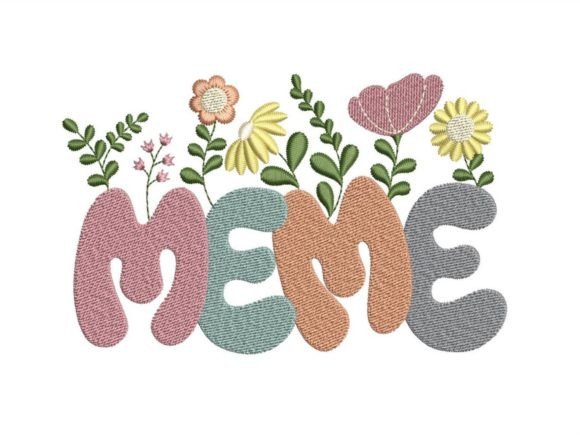
The Meme design immediately caught my eye for its playful and lighthearted vibe. It feels like a modern twist on classic embroidery, blending humor with charm. The description mentions "a touch of whimsy and charm," which aligns perfectly with what I see in the design. It’s not overly complicated, but it has enough detail to stand out without being overwhelming.
This design is ideal for mother's day products, as it can be used to add a personal and fun touch to gifts. It works well on both casual and slightly more decorative items, making it a flexible choice for a variety of craft fair products.
Performance on Different Products
Testing Meme on various items gave me a clear sense of where it shines. On tote bag designs, it looked great as a central feature, especially when paired with bold thread colors. On apron embroidery, it added a nice pop of personality without clashing with the overall look.
For tea towel embroidery, the design was visible but not too dense, which is important since towels can have texture that affects stitch visibility. On caps, the curved surface required careful placement, but the design still held up well. As an embroidered patch, it worked nicely as a small accent, perfect for adding to jackets or bags.
I also tried it on pillow covers and market bags, where it added a soft yet distinctive flair. The design felt at home on both rustic and modern fabrics, making it adaptable for different styles.
Practical Selling and Production Points
Meme is easy to recognize at a glance, which is crucial for a handmade product displayed in a busy craft fair booth. Its simplicity makes it suitable as both a small accent and a larger focal point, depending on the project. For Etsy sellers or small shop products, this flexibility is a big plus.
Photographing Meme for online listings was straightforward. The design didn’t lose clarity in photos, and it stood out against both light and dark backgrounds. This makes it a strong candidate for printable mockups and design assets that can be used in marketing materials.
From a production standpoint, Meme seems repeatable for batch work. It doesn’t have overly dense stitch areas that could cause issues, and the stitch density appears manageable. However, it’s always wise to test the embroidery file on scrap fabric before starting a large order.
Careful-Use Notes
While Meme is generally user-friendly, there are a few things to keep in mind. Tiny details might not show up clearly on certain fabrics, especially if the texture is too rough. For dark fabric, using contrasting thread colors can help the design stand out better.
If you plan to use Meme on thick fabric or textured towels, you may need to adjust your stabilizer and hoop size to ensure even stitching. On curved surfaces like caps, precise placement is key to avoid distortion.
Also, check the commercial embroidery licensing before selling finished products. While the original description mentions it’s a machine embroidery design that can be used on a range of items, specific terms may vary.
Visual Appeal and Customer Engagement
Meme adds visual interest to any product it’s applied to. In a craft fair setting, it draws attention without being over-the-top. Customers often gravitate toward designs that feel unique and expressive, and Meme fits that bill.
It enhances the handmade quality of a product, giving it a personal touch that customers appreciate. Whether it’s a small pouch or a market bag, the design elevates the item’s value and makes it more appealing for gifting or retail sale.
On a booth display, Meme helps create a cohesive look when used across multiple products. It supports brand consistency and makes it easier to attract buyers who are looking for something fun and functional.
Embroidery Designer Notes
Before finalizing any project, I always recommend testing the digital embroidery file on different fabrics. This helps identify any potential issues with stitch density or thread contrast. For Meme, I suggest creating at least one real mockup to see how it looks in person.
Check the spacing between elements to ensure the design doesn’t appear cramped. Confirm the hoop size needed for your project and use the appropriate stabilizer for the fabric type. These steps will help ensure a clean and professional finished product.
Ultimately, Meme is a versatile and engaging design that can work well in a variety of handmade market settings. With the right approach, it has the potential to become a popular item among customers looking for something unique and charming.