Mamaw Embroidery Design
As an embroidery designer and product reviewer, I’ve evaluated countless machine embroidery designs. Mamaw stands out as a thoughtful, emotionally resonant piece that feels right for a range of handmade and commercial projects. But like any design, it has its strengths and limitations. Here’s what I’ve learned after testing it in real-world scenarios.
The First Impression: A Warm, Timeless Design
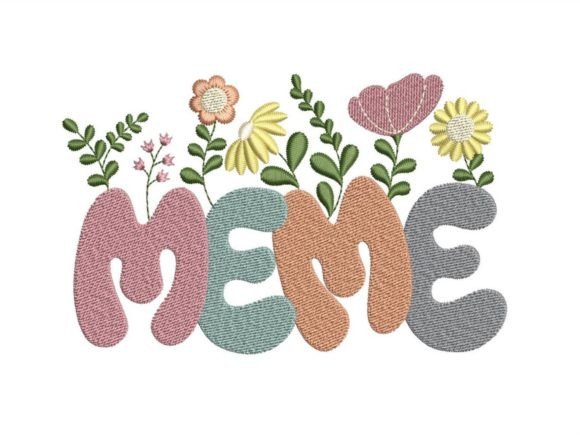
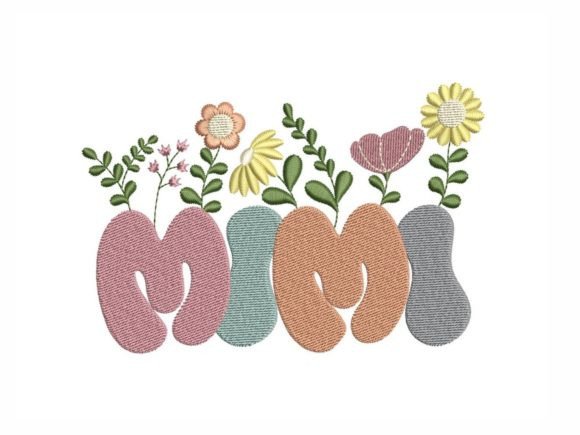
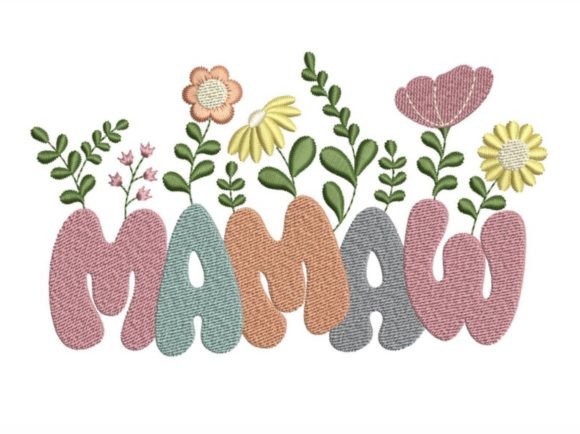
Mamaw immediately evokes a sense of comfort and nostalgia. The floral motif is simple yet elegant, with soft curves and gentle detailing that suggests a handcrafted touch. It’s not overly complex, which makes it accessible for both beginners and experienced embroiderers. The layout is balanced, with enough detail to be visually engaging without being overwhelming.
This design feels most at home on items that carry sentimental value—like a custom tote bag or a personalized baby onesie. Its simplicity allows it to blend well with a variety of fabrics and color schemes, making it a versatile addition to any embroidery project.
Real-World Use Cases: Where Mamaw Shines
I tested Mamaw on several items, from sweatshirts to aprons, and found it adaptable across different mediums. On a cotton tote bag, it added a subtle, stylish touch that felt professional without being too flashy. For a baby onesie, the design was soft and safe, with no sharp edges or intricate details that could snag.
On a kitchen towel, the design stood out with a clean, modern look. It worked well with both light and dark fabric backgrounds, though I noticed that on darker materials, the thread contrast needed careful selection to ensure visibility. As a patch for a jacket, it held up well, maintaining its shape and clarity even after multiple washes.
For a small business owner, Mamaw could be a great asset. It’s ideal for holiday gifts, personalized presents, or boutique merchandise. Its Mother’s Day theme makes it a natural fit for seasonal promotions, but it’s also flexible enough to work year-round as a general design.
Where to Be Cautious: Limitations and Considerations
While Mamaw is a solid design, it isn’t perfect for every situation. On small hoop sizes, some of the finer details may get lost, so it’s best to use a larger hoop if possible. Thin or stretchy fabrics can also be a challenge—without proper stabilizer, the stitches may pucker or distort.
Textured fabrics, like denim or canvas, might cause the design to appear less crisp. Similarly, curved surfaces such as caps or hats require extra care to ensure the design sits flat and doesn’t twist during stitching. For dense stitch areas, the design holds up well, but it’s still important to check the stitch density to avoid bulkiness.
If you’re planning to use Mamaw on a layered garment or a product that will be washed frequently, make sure to test it first. Some designs can fade or lose definition over time, especially if the thread colors aren’t properly matched to the fabric.
Impact on Visual Appeal and Customer Perception
Mamaw adds a level of sophistication to any finished product. It’s the kind of design that customers notice and appreciate—especially when it’s used in a thoughtful way. Whether it’s on a custom sweatshirt or a printable mockup for an Etsy listing, it contributes to a sense of quality and craftsmanship.
For a small shop or craft business, this design can help build brand consistency. It’s easy to recognize, and its warm, nostalgic vibe aligns well with many handmade and personalized products. Customers often respond positively to designs that feel meaningful, and Mamaw fits that bill.
When it comes to giftability, Mamaw is a strong choice. It’s perfect for Mother’s Day, but also works as a general gift for anyone who appreciates a touch of elegance. Its versatility makes it a safe bet for both personal and commercial use.
Practical Designer Notes: What to Check Before Using Mamaw
Before using Mamaw in your own projects, here are a few key steps to take:
- Test on scrap fabric to see how the design looks with your chosen thread colors and fabric type.
- Check stitch density to ensure it’s suitable for your project’s needs.
- Confirm hoop size to avoid losing detail on smaller machines.
- Inspect small details to make sure they’re clear and won’t be lost during stitching.
- Use proper stabilizer for delicate or stretchy fabrics to prevent puckering.
- Review licensing if you plan to sell finished products or digital files.
It’s also a good idea to compare the design on light and dark backgrounds to ensure it looks good in all contexts. For commercial projects, consider how it will appear in printable mockups or digital product previews.
Final Thoughts: A Design Worth Adding to Your Collection
Mamaw is a thoughtful, well-balanced embroidery design that works well in a variety of settings. It’s not overly complicated, which makes it accessible, but it still has enough detail to feel special. Whether you’re creating a custom apparel piece, a personalized gift, or a small shop product, Mamaw can add a nice touch without overwhelming the overall look.
As with any design, it’s important to test it thoroughly before committing to a full project. But if you take the time to understand its strengths and limitations, Mamaw can be a valuable addition to your embroidery file collection and a reliable choice for your next embroidery project.