Pick and Shovel Embroidery Design
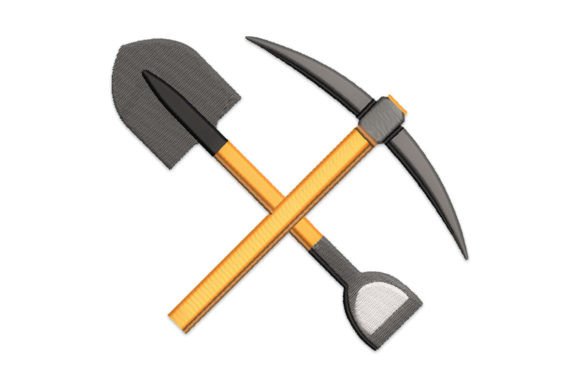
The Pick and Shovel embroidery design is a powerful symbol of labor, craftsmanship, and hard work. As an experienced embroidery designer, I’ve seen countless designs that aim to convey a message, but few do it with the clarity and impact of this one. The name itself suggests a connection to industry, making it ideal for small business merch, branded patches, and custom apparel that needs to communicate a sense of reliability and strength.
First Impressions: A Design That Speaks Volumes
From the first glance, Pick and Shovel feels like a classic emblem—simple yet meaningful. It’s not overly decorative, which makes it versatile for a wide range of applications. The design carries a rustic, handmade aesthetic that can elevate any product without overshadowing it. Whether used on an apron, a cap, or a tote bag, it adds a touch of authenticity that resonates with customers who value quality and tradition.
This machine embroidery design has a bold presence that works well in both large and small formats. However, its effectiveness depends on how it's applied. For instance, on a work shirt or a patch, it needs to maintain its clarity and structure. If the design is too detailed, it may lose its impact when scaled down, so careful consideration of size and placement is essential.
Real Business Use: From Patches to Product Packaging
Small business owners, Etsy sellers, and crafters will find Pick and Shovel particularly useful as an embroidered patch. It’s perfect for adding a branded touch to uniforms, staff wear, or even customer gifts. When stitched onto a patch, it becomes a statement piece that reflects the values of the business—hard work, dedication, and professionalism.
In the context of custom apparel, this design works well as a chest logo accent or sleeve detail. It can be paired with other elements to create a cohesive look that enhances brand identity. For example, a bakery might use it on aprons or tote bags, while a pet brand could incorporate it into product labels or packaging accents.
When used on caps or work shirts, the design benefits from a clear, straightforward layout. High stitch density can sometimes cause issues with fabric texture, so it’s important to test the embroidery file on different materials before mass production. Similarly, if the design is intended for frequent washing, ensuring that the thread colors are colorfast is crucial to maintaining the finished product’s appearance.
Where to Use With Caution
While Pick and Shovel is a strong design, there are situations where it may not perform as expected. On small patch sizes, the details may become too compressed, leading to a loss of definition. This is especially true if the design includes intricate outlines or fine lines. In such cases, simplifying the design or adjusting the scale may be necessary.
Curved surfaces, such as those found on caps or sleeves, can also pose challenges. The design may require slight modifications to fit the shape without distortion. Additionally, if the design is placed on dark uniforms or textured fabrics, the contrast between the thread colors and the background should be carefully reviewed to ensure visibility and readability.
Impact on Brand Identity and Customer Perception
Embroidered designs like Pick and Shovel play a critical role in shaping a brand’s visual identity. They help customers recognize and remember a business, especially when used consistently across merchandise. A well-executed design can enhance customer trust and reinforce the professionalism of a small business or handmade brand.
For businesses looking to present their products in a premium light, this design offers a subtle yet effective way to add value. Whether it’s on a tote bag, an apron, or a printable mockup, it contributes to a cohesive brand image that aligns with the business’s values.
Moreover, the design’s simplicity makes it easy to integrate with other design assets. It can serve as a foundation for more complex patterns or act as a standalone element that stands out on its own. This flexibility is invaluable for businesses that want to maintain visual consistency across different product lines.
Practical Tips for Embroidery Designers
As a professional embroidery designer, I always recommend starting with a black and white version of the design to assess its clarity and structure. This helps identify any potential issues with spacing, stitch density, or overall composition.
Testing the embroidery file at a small patch size is another essential step. It allows you to see how the design translates to real-world applications and whether adjustments are needed. Checking thread color contrast is equally important, especially if the design will be used on dark or patterned fabrics.
Confirming the hoop size required for the design ensures that it can be produced efficiently without unnecessary complications. Using the right stabilizer is also key, particularly when working with delicate or stretchy fabrics. Finally, creating a mockup for client approval helps set expectations and ensures that the final product meets the desired standards.
Conclusion: A Versatile Design for Small Business Success
Pick and Shovel is more than just a machine embroidery design—it’s a tool for building brand recognition and enhancing the visual appeal of small business merch. Its clean lines and strong symbolism make it suitable for a variety of applications, from embroidered patches to custom apparel and product packaging.
With proper testing and attention to detail, this design can become a valuable asset for any business looking to express its identity through embroidery. Whether you're an Etsy seller, a craft business owner, or a commercial embroiderer, Pick and Shovel offers a reliable and impactful option for your next project.