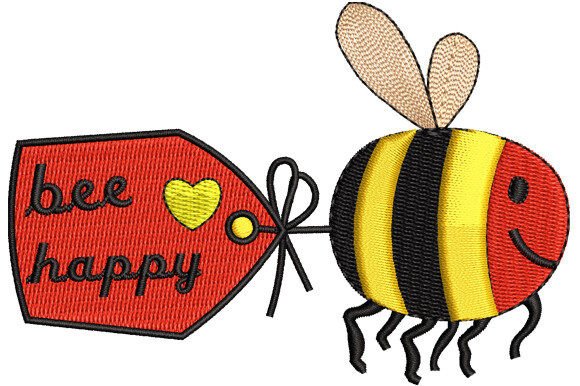
Bee Happy Honey Bee
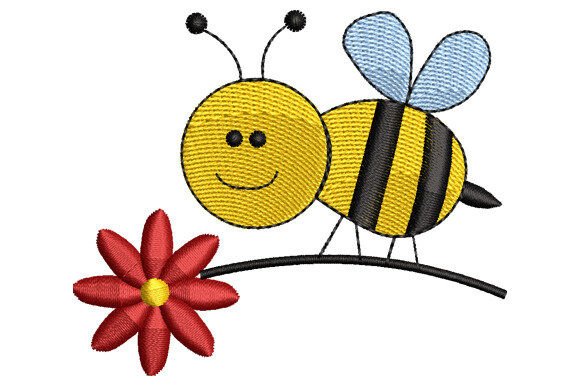
The Bee Happy Honey Bee embroidery design is a charming and versatile addition to any small business merch or branded patch collection. As an experienced embroidery designer, I’ve evaluated this design for its potential in real-world applications, from custom apparel to product packaging accents. Its friendly, playful aesthetic makes it ideal for businesses looking to convey warmth, creativity, and a sense of community through their branding.
First Impressions: A Design That Speaks to Small Business Owners
From the moment you see the Bee Happy Honey Bee embroidery design, it exudes a sense of approachability and positivity. The design feels professional yet whimsical, making it perfect for businesses that want to stand out without being overly formal. Whether used as a chest logo, sleeve detail, or embroidered patch, it adds a touch of personality that resonates with customers who appreciate handmade products and thoughtful branding.
This design works well for businesses in the Inspirational category, especially those focused on wellness, nature, or community-driven values. Its vibrant colors and simple lines make it easy to adapt across different fabric types and embroidery styles, whether you're working with cotton, polyester, or textured materials.
Real-World Use: How Bee Happy Honey Bee Performs in Business Applications
The Bee Happy Honey Bee embroidery design shines in a variety of small business merch applications. It’s an excellent choice for embroidered patches, staff uniforms, aprons, caps, and tote bags. Its clean lines and bold shapes ensure visibility even on larger items like work shirts or event merch. For small businesses, this design offers a quick and effective way to create consistent brand identity across multiple product types.
As a machine embroidery design, it can be easily adapted for custom apparel, making it a go-to option for Etsy sellers, boutique owners, and craft brands. Its simplicity also makes it ideal for printable mockups, allowing designers to showcase the finished product before production. This helps streamline the client approval process and ensures that the final outcome aligns with the brand’s vision.
For businesses that rely on high-quality apron embroidery or cap embroidery, the Bee Happy Honey Bee design holds up well when scaled appropriately. Its low stitch density means it won’t overwhelm delicate fabrics or cause puckering, which is essential for maintaining the integrity of the finished product.
Where to Use With Caution: Key Considerations for Embroidery Designers
While the Bee Happy Honey Bee design is generally versatile, there are certain scenarios where it may not perform as expected. For example, when used in small patch sizes, the details may become too cramped, leading to a less defined look. Similarly, on curved surfaces like caps or sleeves, the design might require slight adjustments to maintain visual balance.
High stitch density can also be a concern if the design is scaled up without proper planning. For businesses using this design on dark uniforms or textured fabrics, it’s important to test thread color contrast to ensure visibility. Tiny lettering or intricate outlines may not translate well in all applications, so careful review is necessary before production.
Impact on Brand Identity and Customer Engagement
The Bee Happy Honey Bee design plays a significant role in shaping brand identity. Its friendly and approachable style helps build customer trust and recognition, especially for small businesses aiming to create a warm and inviting image. When used consistently across merchandise, it reinforces a cohesive visual language that strengthens the brand’s presence in the market.
For handmade product creators, this design offers a way to elevate the presentation of their offerings. Whether used on tote bag design or product packaging accents, it adds a polished touch that enhances perceived value. For commercial embroidery projects, the design’s adaptability ensures it can be integrated into a wide range of assets without compromising quality or consistency.
Practical Tips for Embroidery Designers and Small Business Owners
Before finalizing the use of the Bee Happy Honey Bee embroidery design, there are several practical steps to consider. First, test the design in black and white to assess how it looks on different fabric textures. Check if it works at small patch size, ensuring that the details remain clear and legible. Review thread colors to confirm they complement the intended fabric and overall brand palette.
Inspect spacing and confirm the hoop size required for your machine. Test the design on real fabric to identify any issues related to stabilizer use or stitch density. Create a printable mockup for client approval and compare it against other design assets to ensure visual harmony. Most importantly, verify commercial licensing terms before using the design for business purposes.
As a digital embroidery file, the Bee Happy Honey Bee design offers flexibility for customization, making it a valuable tool for embroidery shops, apparel decorators, and product designers. Its ease of use and strong visual appeal make it a smart choice for small business merch that needs to stand out in a competitive market.
Final Thoughts: A Design That Brings Joy and Professionalism
The Bee Happy Honey Bee embroidery design is more than just a cute motif—it’s a powerful tool for small businesses looking to express their brand’s personality through embroidered merchandise. Its ability to blend playfulness with professionalism makes it suitable for a wide range of applications, from apron embroidery to event merch. With proper testing and attention to detail, this design can become a key asset in any creative business’s toolkit.
Whether you’re an Etsy seller, a boutique owner, or a craft brand, the Bee Happy Honey Bee design offers a fresh and engaging way to connect with your audience. By leveraging its strengths and addressing potential challenges, you can ensure that your embroidered products reflect both the quality of your work and the spirit of your brand.